Vlnovo - casticovy dualizmus KM
Wave-Particle Duality in Quantum Mechanics
Úvod
Fotoelektrický jav ukázal, že svetlo sa v určitých situáciách chová ako častice. No sú situácie, kedy sa svetlo a nie len svetlo chová vyloženie ako vlnenie. To je príklad štrbinového experimentu viď. obr. 1, 2. Majme elektrónové delo, ktoré vystreľuje elektróny smerom na zadný zachytávač v zmysle obr. 1.
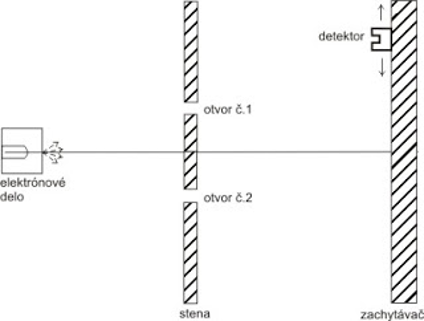
Obr.1
Schéma pokusu s elektrónovým delom, zdroj: vlastný obrázok.
Pokiaľ máme otvorený iba jeden z otvorov, potom je rozloženie dopadov elektrónov na zachytávači ako u klasickej letiacej guličky. No pokiaľ máme dva a viac otvorov k dispozícii (kadiaľ môže elektrón prejsť) dochádza k interferencii, viď. Obr. 2.
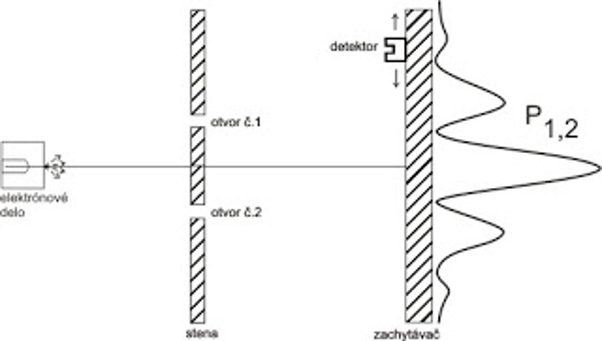
Obr. 2 Rozloženie dopadov elektrónu, zdroj: vlastný obrázok.
Popis experimentu
Vytvorme si v našom experimente elektrónové delo, ktoré sa skladá z elektricky vyhrievaného volfrámového vlákna. Všetky elektróny vyletujúce z dela budú mať približne rovnakú energiu. Na druhej strane je stena, kde je umiestnený detektor. Detektor môže byť Geigerov počítač alebo elektrónový násobič napojený na reproduktor. Pred zachytávačom je umiestená stena s dvoma otvormi. Prvá vec, ktorú si všimneme v experimente s elektrónmi je tá, že z detektora počujeme ostré cvaknutia. Všetky cvaknutia sú rovnaké. Neexistujú polo-cvaknutia. Preto uzatvárame, že nech čokoľvek dopadá na zachytávač, dopadá to v „celkoch". Elektróny priletujú vždy v rovnakých celkoch.
A. Aká je pravdepodobnosť, že elektrón, ktorý preletí cez otvory v stene dopadne na záchytnú stenu vo vzdialenosti „x" od stredu zachytávača?
Prvé, čo môžeme povedať, že nakoľko elektróny prilietavajú v celkoch, prilietavajú alebo cez otvor č.1, alebo cez otvor č.2. Na základe tohto tvrdenia všetky elektróny, ktoré doletia na zachytávač, možno rozdeliť do dvoch tried.
- Na tie, čo preleteli cez otvor č.1.
- Na tie, čo preleteli cez otvor č.2.
Takže nameraná krivka by mala byť daná súčtom efektov od elektrónov, ktoré prileteli cez otvor č.1 a č.2.
Overenie nasledujúcim experimentom
Najskôr budeme merať elektróny, ktoré preletia cez otvor č.1. Otvor č.2 zablokujeme. Dostaneme krivku na obrázku P1. Potom zablokujeme otvor č.1. Dostaneme krivku na obrázku P2. Celková pravdepodobnosť bude rovná P= P1+ P2.
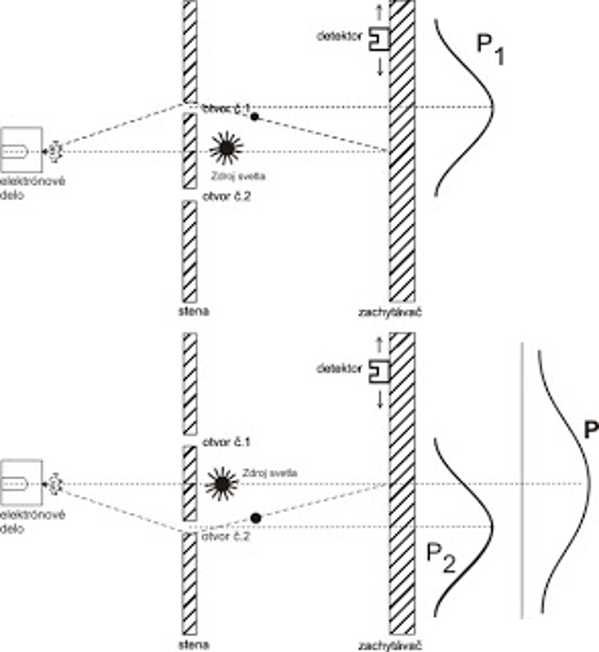
Obr.3 Rozloženie pravdepodobnosti, keď jeden z otvorov uzavrieme, zdroj: vlastný obrázok.
V našom experimente sme však urobili jeden predpoklad. Hľadali sme rozloženie pravdepodobnosti ako súčet P= P1+ P2. Jednotlivé pravdepodobnosti P1 a P2 sme dostali tak, že sme vždy jeden z otvorov zablokovali.
Urobme experiment a nechajme oba otvory otvorené. Detektorom získame celkové rozloženie pravdepodobnosti. Bude toto rozloženie pravdepodobnosti rovnaké?
Z obr. č.2 je jasné, že výsledok P1,2, keď boli obidva otvory otvorené, nie je súčtom pravdepodobností P1 a P2, pre každý otvor zvlášť. Dochádza k interferencii. Všimnime si, že v strede krivky je P1,2 viac ako dvakrát väčšia ako P1+ P2.
Rozloženie pravdepodobnosti P1,2 sa celkom podobá na rozloženie intenzity kruhového vlnenia, napr. na hladine vody obr.č.4.
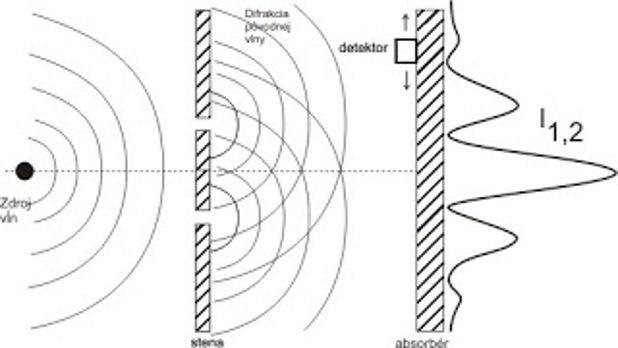
Obr.4 Rozloženie intenzity kruhového vlnenia na hladine vody, zdroj: vlastný obrázok.
Pre vlnenie je veľkosť intenzity rovná druhej mocnine skutočnej výšky vlny nameranej v detektore. Ak zmeriame intenzity pre rôzne x dostaneme priebeh I1,2.
Vlny medzi sebou vzájomne interferujú. Na niektorých miestach sú vlnenia vo „fáze". Súčet amplitúd je veľký a teda je veľká intenzita. Maximálne hodnoty intenzity vznikajú všade tam, kde je vzdialenosť detektora od jedného otvoru väčšia (alebo menšia) o celý násobok vlnovej dĺžky ako vzdialenosť detektora od druhého otvoru. Naopak miesta, kde sú vlny v proti-fáze sa bude výsledné vlnenie rovnať rozdielu obidvoch amplitúd. Vlny interferujú deštruktívne.
Elektróny prilietavajú v celkoch ako častice a pravdepodobnosť dopadu týchto celkov je rozložená ako rozloženie intenzity vlny. V tomto zmysle sa elektrón správa „niekedy ako častica a niekedy ako vlna".
Úprava experimentu o svetelný zdroj
Do experimentu pridáme zdroj svetla a umiestnime ho za stenu s otvormi, tesne medzi ne. Vieme, že elektrické náboje rozptyľujú svetlo, preto keď elektrón preletí okolo na svojej ceste k detektoru, časť svetla sa na ňom rozptýli aj do nášho oka a tak uvidíme kadiaľ elektrón letí. Experiment je znázornený na obr.č.3.
Vždy, keď počujeme cvaknutie z detektora vidíme tiež svetelný záblesk alebo v blízkosti otvoru č.1, alebo v blízkosti otvoru č.2., nikdy nevidíme záblesk súčasne u obidvoch otvoroch. Experimentálne je potom tvrdenie, že elektrón letí alebo cez otvor č.1, alebo č.2 nevyhnutne správne. Či už sú otvory zatvorené respektíve otvorené, tie, ktoré vidíme preletieť cez otvor č.1 majú rovnaké rozloženie, bez ohľadu na to, či je otvor č.2 otvorený alebo zatvorený.
Musíme spraviť záver, že keď sa na elektróny pozeráme, tak ich rozloženie na zachytávači je iné, ako keď sa na ne nepozeráme.
(1) Musí to byť tak, že elektróny sú veľmi jemné a svetlo tým, že do nich drgne zmení sa ich pohyb. To znamená, že drgnutie, ktoré elektrón pocíti, keď sa na ňom rozptyľuje fotón je také, že dostatočne zmení pohyb elektrónu, takže keď mal elektrón letieť tam, kde má pravdepodobnosť dopadu maximum, priletel tam, kde má minimum (úvaha Feynmana).
Skúsme použiť svetlo menšej frekvencie. Hybnosť fotónu je nepriamo úmerná vlnovej dĺžke. Keď sa použije svetlo s väčšou vlnovou dĺžkou, drgnutie bude slabšie. Spočiatku sa zdá, že sa nič nemení. Výsledky sú rovnaké. Potom sa stane strašná vec. Pre vlnovú povahu svetla existuje určité obmedzenie pre vzdialenosť dvoch bodov, aby sme ich ešte mohli vidieť ako dve oddelené bodky. Táto vzdialenosť sa rádovo rovná vlnovej dĺžke svetla. Preto keď je vlnová dĺžke väčšia, ako je vzdialenosť medzi otvormi vidíme rozmazaný záblesk. V tomto zmysle už viac nemôžeme povedať cez ktorý otvor preletel.
Komplikované trajektórie
Viacerí sa snažili túto záhadu vyriešiť nejakými zložitými dráhami, ktoré častice vykonávajú. No nenašlo sa žiadne riešenie cez komplikované trajektórie, ktoré by viedli na tak jednoznačné správanie, že dopady sú bez interferencie alebo s interferenciou, podľa aparátu kvantovej mechaniky vlnovej funkcie.
Zdá sa, že nie je možné to vysvetliť nijakou komplikovanou predstavou o zložitých dráhach častíc. To sa snažil Feynman ukázať, že táto možnosť sa zdá nepravdepodobná – komplikované trajektórie. Prejav interferencie je práve jednoznačný a postačuje na to vlnový aparát vodných vĺn na hladine. Experimenty na vlnovo – časticové správanie sa poukazujú, že častice mikrosveta sa museli pohybovať po všetkých možných dráhach (cez otvor 1 aj otvor 2 zároveň). Tento záver je však nestráviteľný, to je veľmi paradoxný záver.
Iné možnosti
Základná predstava o častici s jednou trajektóriou, pokiaľ ju nevieme zmerať, zaznamenať, alebo sa nijak inak principiálne nedá zistiť neexistuje. Ako to?
V našej predstave aj keď sa nepozeráme vieme, že teleso v makrosvete muselo mať nejakú konkrétnu dráhu, aby narazilo na terč.Tento predpoklad vyplýva z našej skúsenosti z makrosveta.
No v mikrosvete zdá sa, že toto nemôžeme tvrdiť, lebo vytvoríme spor. Ten spor vedie k tomu, že by sme nemohli dostať interferenčný obrazec. Vedeli by sme, že elektrón prešiel alebo otvorom č.1 alebo č.2 a museli by sme nevyhnutne sčítať pravdepodobnosti a výsledok by bol bez interferencie.
Takže zostáva urobiť ústupok, že pokiaľ nie je možné principiálne zistiť trajektóriu, možnosť ktorá sa realizovala musíme uvažovať iba ako o virtuálnej možnosti trajektórie.
Sformulujeme to do tvrdení:
- Pokiaľ nie je možné rozhodnúť, ktorá alternatíva z rôznych možnosti nastala (elektrón prešiel alebo otvorom č.1 alebo otvorom č.2) potom existujú iba virtuálne možnosti dráh, ktoré sú v superpozícii a interferujú navzájom. To znamená, že vlnová funkcia popisuje virtuálne možnosti a ich pravdepodobnosti, že nastanú.
- Pokiaľ nameriame nejakú konkrétnu udalosť, potom dochádza ku tzv. „kolapsu vlnového balíka". Teda dochádza k výberu konkrétneho výsledku (nastala konkrétna realita) v zmysle pravdepodobnosti virtuálnych možnosti.
- Častica teda nemá konkrétnu dráhu, pokiaľ ju nemožno principiálne zistiť, je v stave virtuálnych možnosti, že sa niekde vynorí (meraním zisti jej dopad – jej korpuskulárny prejav). Pokiaľ prijmeme tieto tvrdenia paradoxy sa vytratia.
Pokúsme sa ísť ešte hlbšia a hlavne ukázať spojitosť s EDQ. Kompletné riešenie tejto záhady nájde čitateľ v knihe EDQ - teória o priestore a čase.
Introduction
The photoelectric effect showed that light behaves like particles in certain situations. But there are situations when light and not just light behaves definitively like waves. This is an example of the double-slit experiment see fig. 1, 2. Let's have an electron gun that shoots electrons towards a rear detector as shown in fig. 1.
Fig.1
Scheme of experiment with electron gun, source: own image.
If we have only one of the openings open, then the distribution of electron impacts on the detector is like a classic flying ball. But if we have two or more openings available (through which the electron can pass) interference occurs, see Fig. 2.
Fig. 2 Distribution of electron impacts, source: own image.
Experiment Description
Let's create an electron gun in our experiment, which consists of an electrically heated tungsten filament. All electrons flying out of the gun will have approximately the same energy. On the other side is a wall where a detector is placed. The detector can be a Geiger counter or an electron multiplier connected to a speaker. In front of the detector is a wall with two openings. The first thing we notice in the electron experiment is that we hear sharp clicks from the detector. All clicks are the same. There are no half-clicks. Therefore, we conclude that whatever hits the detector, hits it in "wholes". Electrons always arrive in the same wholes.
A. What is the probability that an electron that flies through the openings in the wall will hit the capture wall at distance "x" from the center of the detector?
First, we can say that since electrons arrive in wholes, they arrive either through opening No.1 or through opening No.2. Based on this statement, all electrons that reach the detector can be divided into two classes.
- Those that flew through opening No.1.
- Those that flew through opening No.2.
So the measured curve should be given by the sum of effects from electrons that arrived through opening No.1 and No.2.
Verification by the following experiment
First we will measure electrons that fly through opening No.1. We block opening No.2. We get the curve in the picture P1. Then we block opening No.1. We get the curve in the picture P2. The total probability will be equal to P= P1+ P2.
Fig.3 Probability distribution when we close one of the openings, source: own image.
In our experiment, however, we made one assumption. We looked for the probability distribution as the sum P= P1+ P2. We obtained the individual probabilities P1 and P2 by always blocking one of the openings.
Let's do an experiment and leave both openings open. With the detector we obtain the total probability distribution. Will this probability distribution be the same?
From fig. No.2 it is clear that the result P1,2, when both openings were open, is not the sum of probabilities P1 and P2, for each opening separately. Interference occurs. Note that in the center of the curve P1,2 is more than twice as large as P1+ P2.
The probability distribution P1,2 is very similar to the intensity distribution of circular waves, e.g., on the water surface fig. No.4.
Fig.4 Intensity distribution of circular waves on water surface, source: own image.
For waves, the intensity magnitude equals the square of the actual wave height measured in the detector. If we measure intensities for different x we get the course I1,2.
Waves interfere with each other. In some places the waves are "in phase". The sum of amplitudes is large and thus the intensity is large. Maximum intensity values occur everywhere where the distance of the detector from one opening is larger (or smaller) by a whole multiple of the wavelength than the distance of the detector from the second opening. Conversely, places where waves are in anti-phase will have the resulting wave equal to the difference of both amplitudes. Waves interfere destructively.
Electrons arrive in wholes as particles and the probability of impact of these wholes is distributed like the intensity distribution of a wave. In this sense, the electron behaves "sometimes like a particle and sometimes like a wave".
Modification of experiment with light source
We add a light source to the experiment and place it behind the wall with openings, close between them. We know that electric charges scatter light, so when an electron flies around on its way to the detector, part of the light scatters on it into our eye and so we see where the electron flies. The experiment is shown in fig. No.3.
Every time we hear a click from the detector, we also see a light flash either near opening No.1 or near opening No.2, we never see a flash simultaneously at both openings. Experimentally, the statement that the electron flies either through opening No.1 or No.2 is necessarily correct. Whether the openings are closed or open, those we see fly through opening No.1 have the same distribution, regardless of whether opening No.2 is open or closed.
We must conclude that when we look at electrons, their distribution on the detector is different than when we don't look at them.
(1) It must be that electrons are very delicate and light, by hitting them, changes their motion. This means that the hit that the electron feels when a photon scatters on it is such that it sufficiently changes the electron's motion, so when the electron was supposed to fly where it has maximum impact probability, it flew where it has minimum (Feynman's consideration).
Let's try using light of lower frequency. The photon's momentum is inversely proportional to wavelength. When light with a larger wavelength is used, the hit will be weaker. Initially, it seems nothing changes. The results are the same. Then a terrible thing happens. Due to the wave nature of light, there is a certain limitation for the distance of two points so that we can still see them as two separate dots. This distance is on the order of the wavelength of light. Therefore, when the wavelength is larger than the distance between the openings, we see a blurred flash. In this sense, we can no longer say through which opening it flew.
Complicated Trajectories
Many tried to solve this mystery with some complex paths that particles perform. But no solution was found through complicated trajectories that would lead to such unambiguous behavior that impacts are without interference or with interference, according to the quantum mechanical apparatus of the wave function.
It seems that it is not possible to explain it by any complicated idea about complex particle paths. Feynman tried to show that this possibility seems improbable – complicated trajectories. The manifestation of interference is precisely unambiguous and the wave apparatus of water waves on the surface is sufficient for it. Experiments on wave-particle behavior point out that microworld particles must have moved along all possible paths (through opening 1 and opening 2 simultaneously). However, this conclusion is indigestible, it is a very paradoxical conclusion.
Other Possibilities
The basic idea of a particle with one trajectory, if we cannot measure it, record it, or otherwise determine it in principle, does not exist. How so?
In our imagination, even when we don't look, we know that a body in the macroworld must have had some concrete path to hit the target. This assumption comes from our experience from the macroworld.
But in the microworld it seems that we cannot claim this, because we would create a contradiction. This contradiction leads to the fact that we could not get an interference pattern. We would know that the electron passed through either opening No.1 or No.2 and we would necessarily have to add probabilities and the result would be without interference.
So it remains to make a concession that if it is not possible in principle to determine the trajectory, the possibility that was realized must be considered only as a virtual possibility of trajectory.
We formulate it into statements:
- If it is not possible to decide which alternative of different possibilities occurred (the electron passed through either opening No.1 or opening No.2), then there are only virtual possibilities of paths that are in superposition and interfere with each other. This means that the wave function describes virtual possibilities and their probabilities of occurring.
- If we measure some concrete event, then so-called "wave packet collapse" occurs. That is, selection of a concrete result occurs (concrete reality occurred) in the sense of probability of virtual possibilities.
- The particle therefore does not have a concrete path, if it cannot be determined in principle, it is in a state of virtual possibilities that it will emerge somewhere (by measurement we determine its impact – its corpuscular manifestation). If we accept these statements, the paradoxes disappear.
Let's try to go even deeper and mainly show the connection with EDQ. The complete solution to this mystery can be found by the reader in the book EDQ - theory of space and time.